Best External Shading for West-Facing Windows
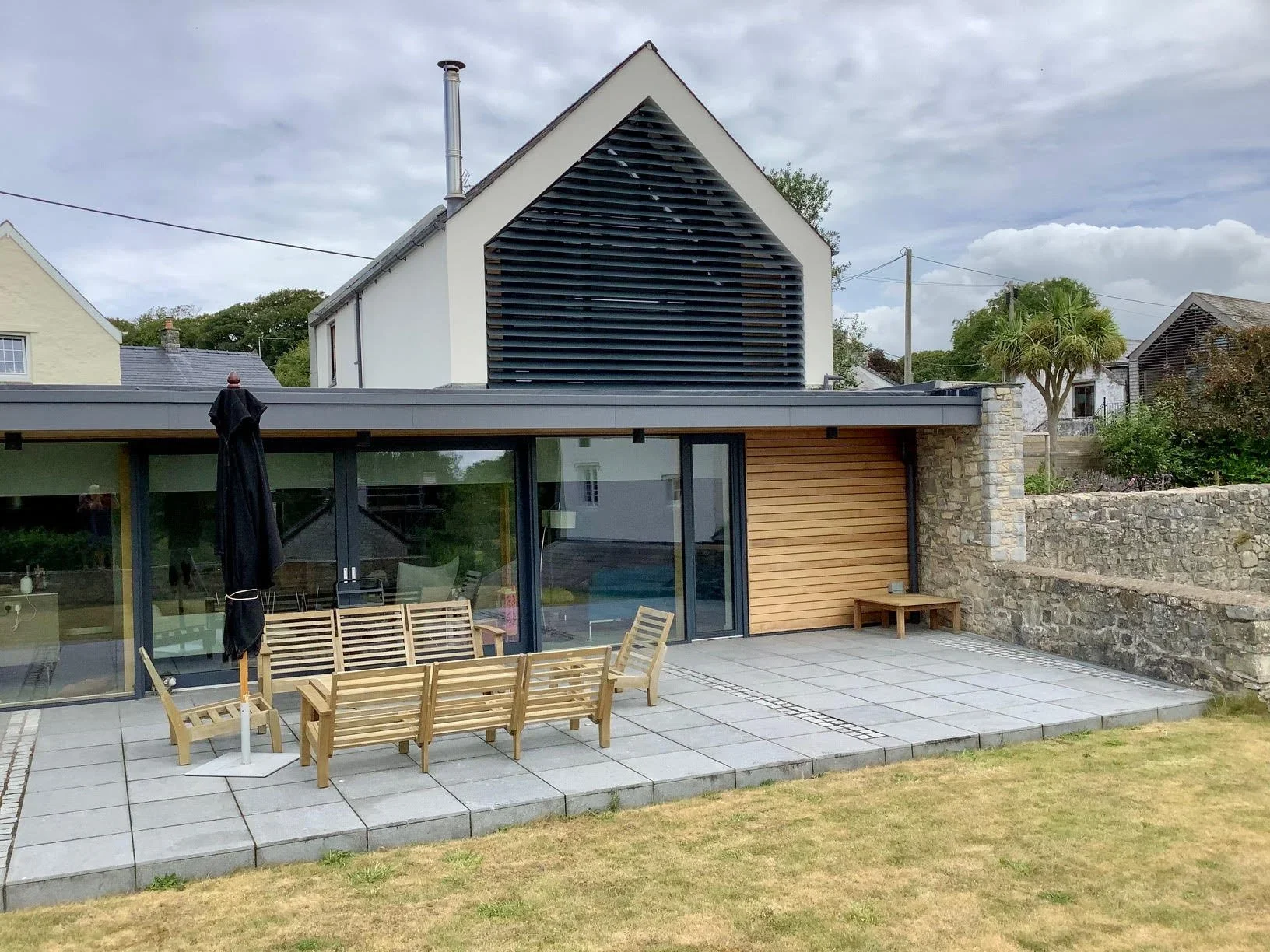
West-facing windows can be difficult to manage because they receive strong, low-angle sunlight later in the day, often when indoor temperatures are already at their highest.
For many homes, the most effective solution is external shading that blocks or controls sunlight before it reaches the glass. Adjustable vertical louvres, sliding louvre panels and other external louvre systems can help reduce glare and solar heat gain while still allowing daylight and views when needed.
This guide explains why west-facing glazing can overheat and which external shading options are best suited to it.
Why do west-facing windows get so hot?
West-facing windows receive direct sunlight mainly during the afternoon and early evening.
This can be particularly uncomfortable during warmer months because the building may already have absorbed heat throughout the day. As the sun moves lower in the sky, it can shine directly through large areas of glazing and create:
Increased indoor temperatures
Strong glare
Uncomfortable rooms in the late afternoon
Fading to furniture and finishes
A greater reliance on fans or air conditioning
Difficulty using rooms with large windows or glazed doors
The problem can be especially noticeable in modern homes with large panes of glass, bifold doors, sliding doors or floor-to-ceiling glazing.
If overheating is already an issue, our guide to how external louvres can help reduce heat explains the principle in more detail.
What is the best shading for west-facing windows?
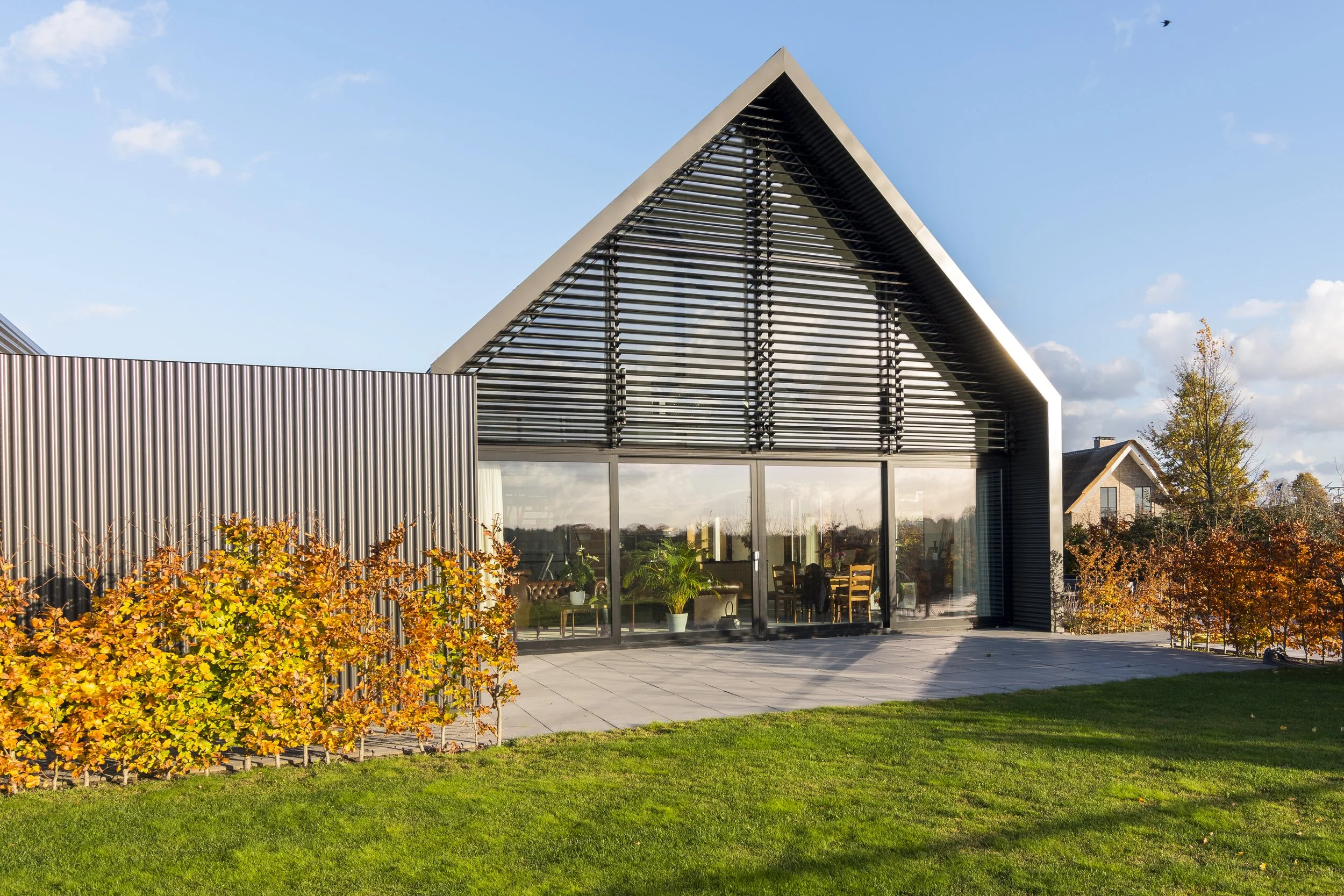
For west-facing glazing, the most effective solution is usually one that can deal with low-angle afternoon sunlight.
This is why vertical or adjustable external shading can be particularly useful.
Unlike a fixed canopy or overhang, which is generally more effective against high summer sun, vertical louvres can provide shading when the sun is much lower in the sky.
The best option will depend on the size and type of glazing, the architecture of the property and how much control you want over light, heat and privacy.
Sunshield offers several external louvre options, including façade systems, sliding panels and vertical louvres.
Are vertical louvres good for west-facing windows?
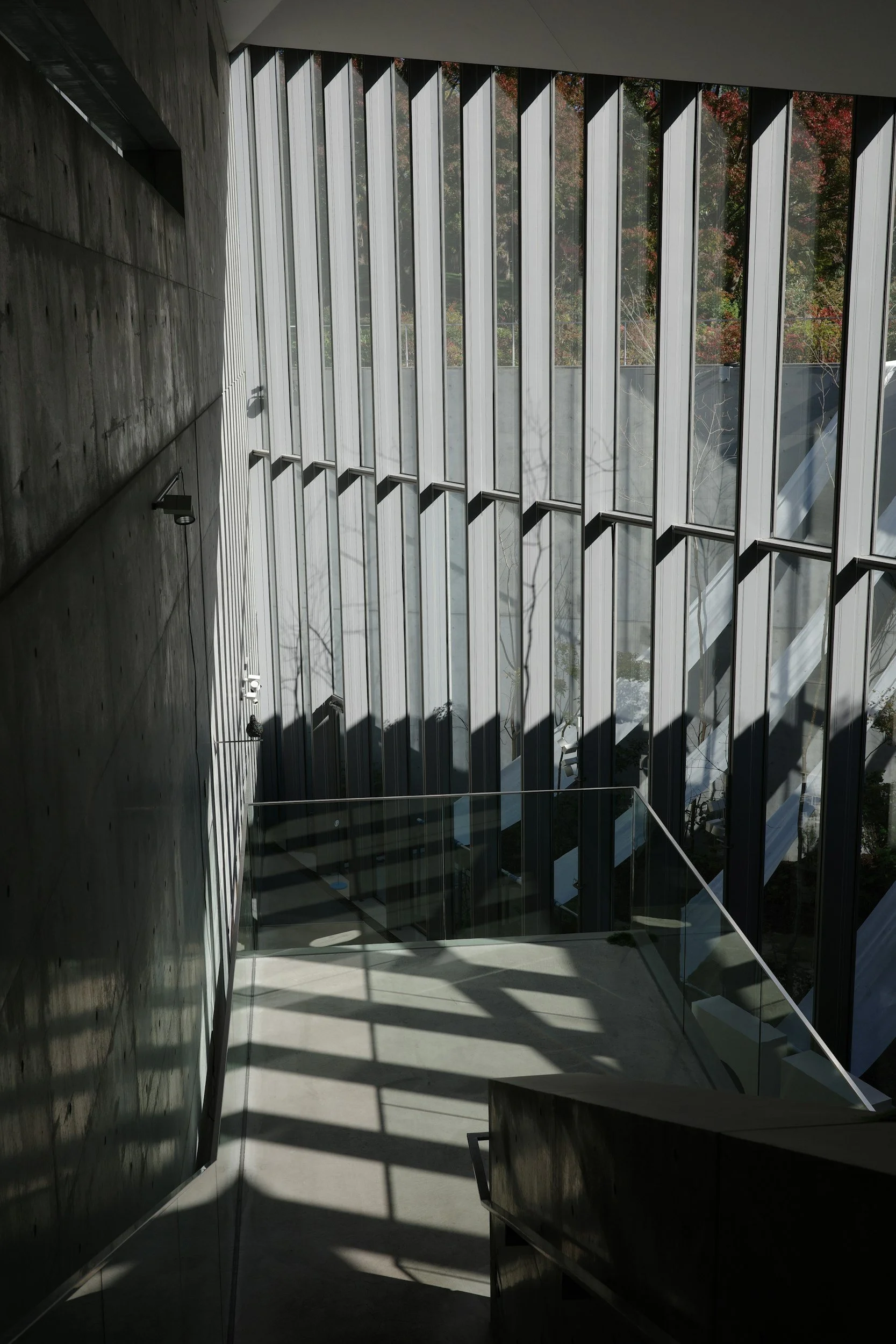
Yes. Vertical external louvres can be particularly well suited to west-facing windows because they can help manage sunlight arriving from a lower angle.
Adjustable vertical louvres allow the angle of the blades to be changed throughout the day.
This means they can be positioned to reduce direct sunlight while still allowing:
Natural daylight
Airflow
Outward views
Privacy
A connection with the garden or surrounding landscape
For large west-facing glazed elevations, the ability to adjust the louvre angle can be much more flexible than using a permanently fixed shading feature.
Sunshield’s external vertical louvres are designed to provide control over solar shading and privacy while also becoming part of the architectural appearance of the building.
Fixed or adjustable shading: which is better?
Both fixed and adjustable systems can work, but adjustable shading gives you greater control.
Fixed external shading
Fixed louvres remain at a predetermined angle.
They can be a good solution where:
The position of the sun is predictable
Constant shading is desirable
Simplicity is important
The shading is also intended as an architectural feature
However, fixed shading cannot be altered as the sun moves or as the seasons change.
Adjustable external shading
Adjustable louvres allow the blades to rotate.
This is particularly useful on west-facing windows because afternoon sunlight can change significantly during the course of the day.
You can close the blades further when direct sunlight is strongest and open them again once the sun has moved away.
This helps balance shading with natural light rather than simply blocking the window.
If you are unsure which profile or system would suit your project, Sunshield’s louvre types guide covers the different aluminium and Western Red Cedar options available.
Are sliding louvre panels suitable for west-facing windows?

Sliding louvre panels can be an excellent option for large glazed doors and windows.
They are especially useful for:
Bifold doors
Sliding patio doors
Floor-to-ceiling glazing
Large extensions
Contemporary homes
The panels can be moved across the glazing when shading is required and moved away when it is not.
Depending on the design, the blades may also be fixed or adjustable.
This gives homeowners the ability to control how much direct sunlight reaches the glass without permanently obscuring the view.
You can explore Sunshield’s external louvre systems and sliding panel options or see examples within the Sunshield project gallery.
Why is external shading better than internal blinds for overheating?
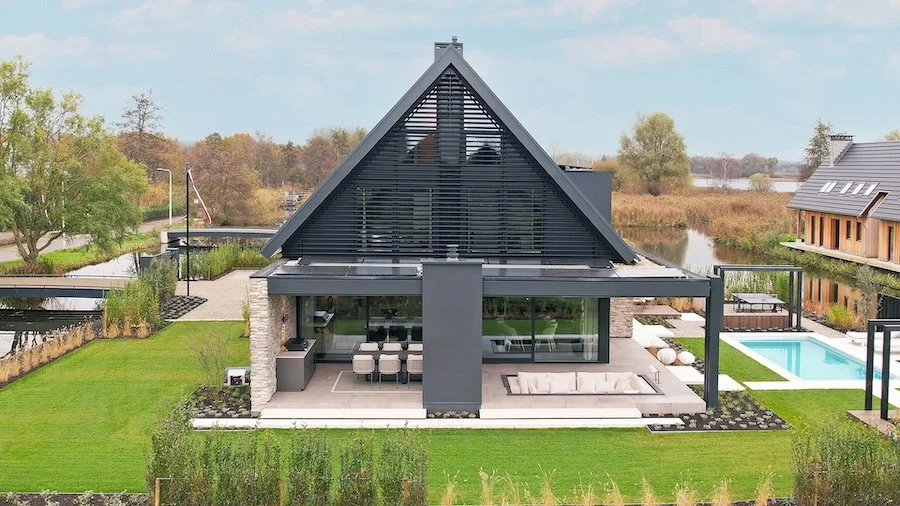
Internal blinds can help reduce glare, but by the time sunlight reaches them it has already passed through the glass.
Some of that solar energy will already have entered the room.
External shading works differently because it intercepts sunlight before it reaches the glazing.
This can make it a more effective way of managing solar heat gain.
Internal blinds can still be useful for:
Privacy
Decorative purposes
Additional glare control
Night-time screening
But where overheating is the main problem, external shading is often worth considering first.
Our guide, Do External Louvres Really Reduce Heat?, looks specifically at how external shading can help homes with large areas of glazing.
What about brise soleil?
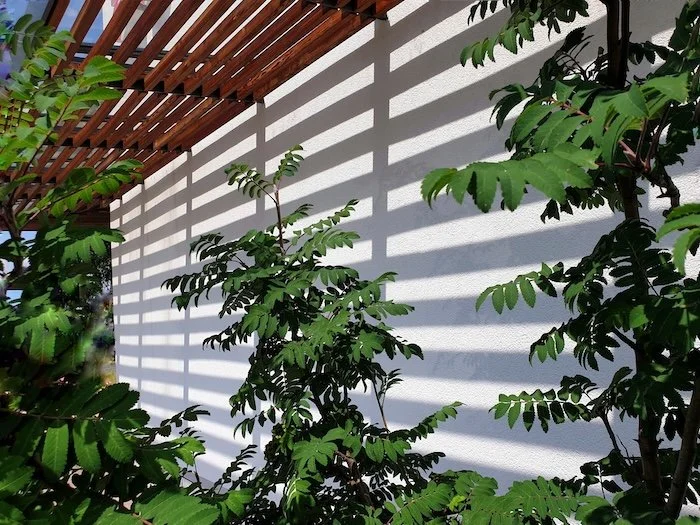
Brise soleil can be useful for controlling solar gain, particularly on elevations where the sun is high in the sky.
However, west-facing windows can be more challenging because the afternoon sun is often lower.
A horizontal canopy that works well on a south-facing elevation may provide less protection from low-angle western sunlight.
This is one reason why vertical or adjustable external shading can be particularly effective.
The right solution depends on the angle of the sun, the height of the glazing and the design of the building.
For projects where louvres form part of the building itself, take a look at Sunshield’s external louvres for building façades
Can external shutters work on west-facing windows?
External shutters can also provide effective shading.
They can reduce sunlight entering the room and provide additional privacy.
However, solid shutters may block more daylight and views than a louvre system.
Adjustable louvres allow the shading level to be fine-tuned, which can be preferable where homeowners still want natural light and a visual connection to the outside.
What is best for large west-facing windows?
Large areas of glazing generally benefit from a shading system that can cover the full width and height of the opening.
Possible options include:
Adjustable vertical louvres
Multiple motorised louvre sections
For very wide elevations, the shading system may be divided into multiple sections.
This can allow different parts of the glazing to be controlled independently depending on where the sun is hitting.
For example, one side of a room may need stronger shading while another section can remain more open.
Sunshield’s 96-E aluminium louvre, for example, can be installed horizontally, vertically or on sloping glazing and is commonly used around living rooms, dining rooms and home offices.
What is best for west-facing bifold or sliding doors?
For large glazed doors, the shading needs to work alongside the way the doors open and close.
Sliding louvre panels can be particularly useful because the panels can move horizontally across the façade.
They can provide:
Shade during the hottest part of the day
Privacy when required
Uninterrupted access when moved aside
An architectural feature even when the doors are closed
Adjustable blades can add another level of control.
This makes sliding panels a versatile option for west-facing extensions and garden rooms.
For inspiration, browse Sunshield’s external louvre projects, including completed sliding panel installations on homes and outdoor spaces across the UK.
Can motorised louvres help?
Motorised external louvres can be especially useful where the system needs to be adjusted regularly.
A motorised system allows the blade angle to be changed using a switch, remote control or automated control system.
This can be helpful for:
Large installations
High-level windows
Multiple louvre sections
Regular daily adjustment
Smart-home integration
For west-facing elevations, motorisation can make it easier to react to changing afternoon sunlight.
Sunshield’s modern vertical louvre systems include motorised tiltable options designed to control light and visibility.
Can external shading reduce glare?
Yes.
Strong afternoon sunlight can cause glare on:
TV screens
Computer monitors
Kitchen surfaces
Polished floors
Glass furniture
Adjustable louvres allow the user to reduce direct sunlight without necessarily darkening the entire room.
This can be particularly helpful in home offices, living rooms and kitchens.
For rooms where retaining the outward view is particularly important, Sunshield’s 150-E aluminium louvre is designed for applications such as living rooms, dining rooms, offices and bedrooms where a good view through the system is important
Can external shading help keep a room cooler?
External shading can help reduce the amount of direct solar energy entering through the glazing.
This can make a west-facing room more comfortable during sunny weather.
The exact effect will depend on factors including:
Window size
Type of glazing
Room size
Insulation
Ventilation
Building orientation
The design and position of the shading
External shading should therefore be considered as part of the building’s overall overheating strategy.
You can read more about this in Do External Louvres Really Reduce Heat?.
What colour louvres are best for west-facing windows?
The best colour is usually chosen to complement the architecture rather than purely for heat control.
Aluminium louvres can be powder-coated in a wide range of colours.
Popular choices often include:
Black
Anthracite grey
White
Bronze
Natural metallic finishes
Colours matched to window frames or cladding
Timber louvres can also create a warmer, more natural appearance.
The design should balance appearance, durability and the surrounding materials.
You can compare Sunshield’s available louvre materials and profiles before deciding which appearance best suits the property.
Should shading be considered during the design stage?

If you are planning a new build or extension, it is worth considering external shading as early as possible.
Early planning allows the architect, builder and louvre supplier to coordinate:
Fixing points
Electrical supply
Tracks
Recesses
Window positions
Cladding
Structural supports
This can create a cleaner installation and give you more design options.
External shading can also be added to existing homes, but retrofitting may require additional planning.
Sunshield’s completed projects show examples across new builds, renovations, apex glazing and existing properties.
Which external shading is best for my west-facing windows?
There is no single solution that is right for every property.
A west-facing room with a small window may need a completely different system from a large glazed extension.
The main factors to consider are:
Size of the glazing
Height of the windows
Whether the glazing opens
Whether privacy is important
How much daylight you want to retain
Whether you prefer fixed or adjustable shading
Whether manual or motorised control is required
The style of the property
For many west-facing homes, adjustable vertical louvres or sliding louvre panels offer the best balance of shade, daylight and flexibility.
Explore the full range of Sunshield external louvre systems to compare the available options.
What information should I provide for a shading recommendation?

If you are asking Sunshield for advice, it helps to provide:
Photos of the elevation
Approximate window dimensions
The direction the windows face
The type of glazing
Details of any bifold or sliding doors
Whether the main issue is heat, glare, privacy or all three
Architectural drawings if available
Your preferred material or finish
Whether you would like manual or motorised operation
This allows the team to recommend the most appropriate system for the property.
Frequently asked questions
-
Adjustable vertical louvres are often one of the most effective options because they can help control low-angle afternoon sunlight while still allowing daylight and views. See Sunshield’s external vertical louvres for an example of this type of system.
-
West-facing rooms receive direct sunlight later in the day, when outdoor temperatures and the temperature of the building may already be high.
-
Vertical louvres can be particularly effective for low-angle sunlight from the west. Horizontal shading is often more effective against higher-angle sunlight.
-
Not necessarily. Adjustable louvres can be angled to reduce direct sunlight while still allowing views between the blades.
-
Yes. Sunshield offers motorised vertical louvre options that allow the angle of the blades to be adjusted.
-
Yes. External louvres and shading systems can be fitted to existing properties as well as incorporated into new builds and extensions.
-
Not necessarily. Smaller windows, shaded locations or high-performance glazing may already manage heat effectively. However, large areas of west-facing glass are more likely to benefit from external shading.
Choosing external shading for your property
West-facing glazing can provide beautiful afternoon light, but without effective shading it can also create uncomfortable heat and glare.
A well-designed external shading system allows you to control sunlight before it enters the building while retaining daylight, privacy and outward views.
Sunshield designs made-to-measure external louvre systems for homes, extensions and architectural glazing across the UK.
Contact Sunshield to discuss your west-facing windows and find the most suitable shading solution for your property.
Our Projects:
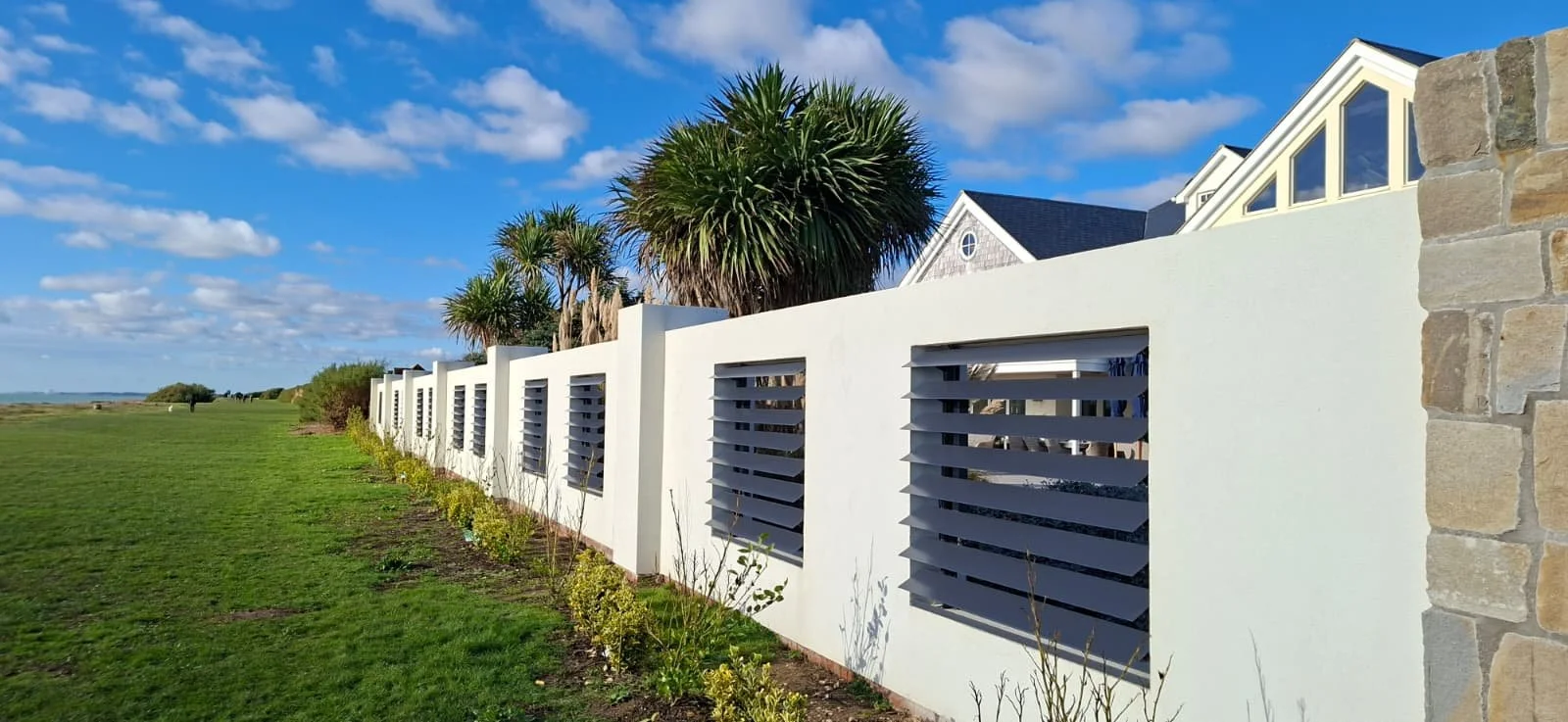
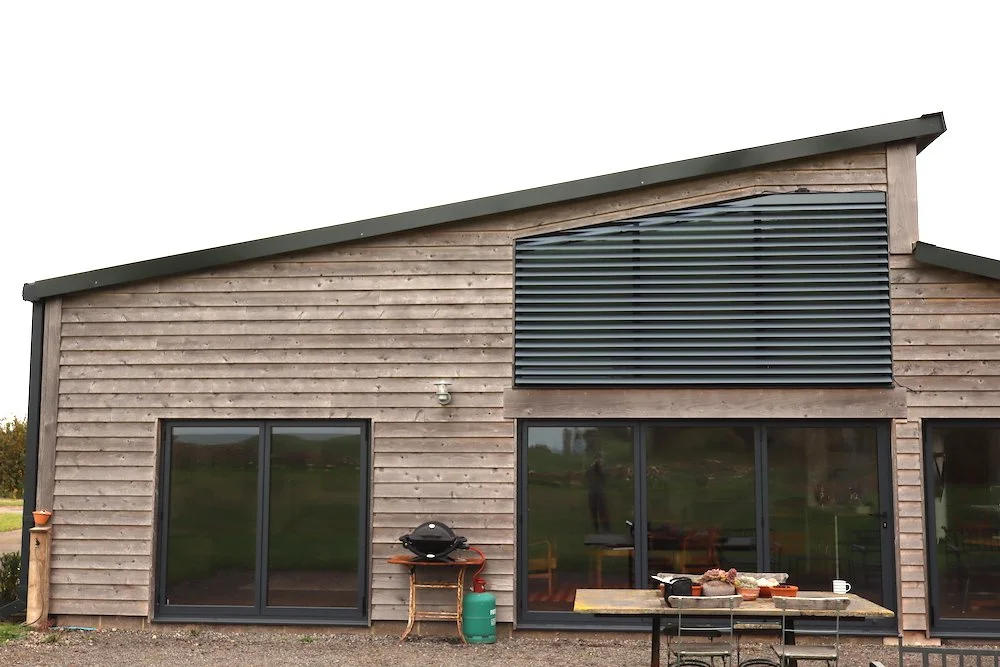
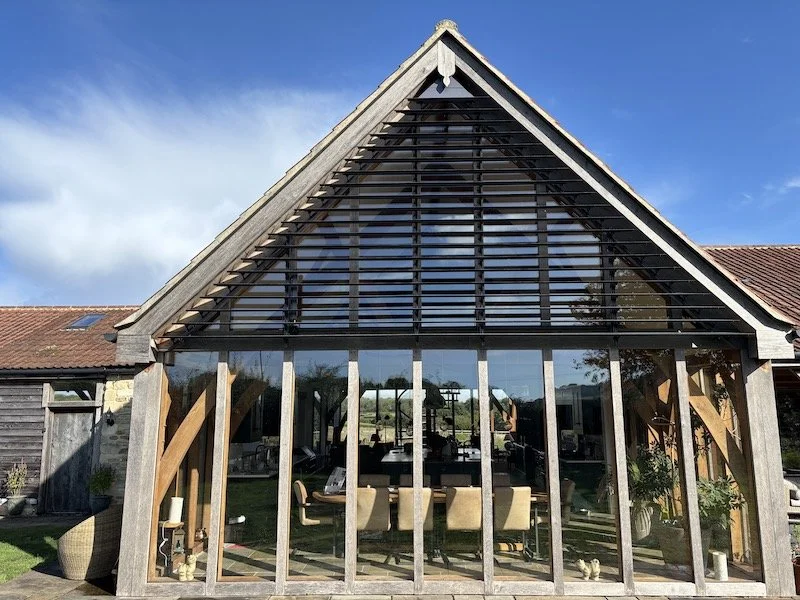
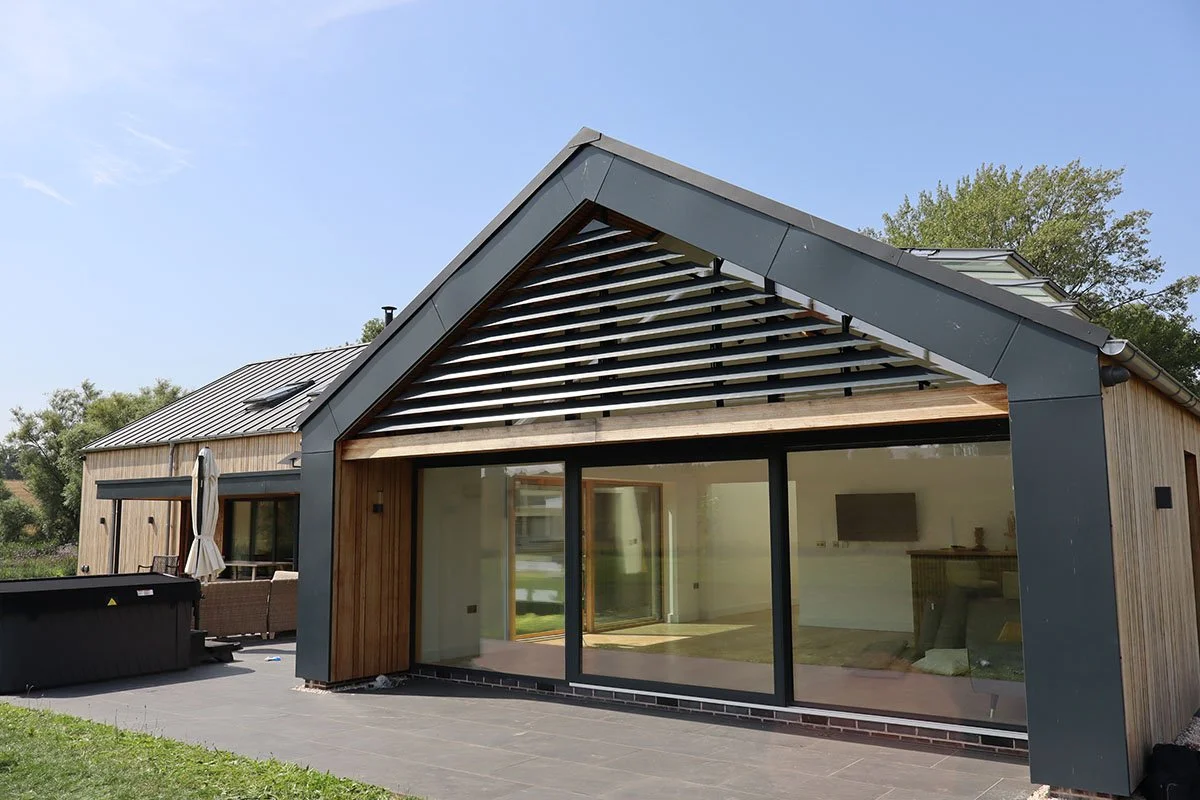


Stunning louvres - A perfect feature for any home design
View the full details on our external louvres.